A History of Wonder
From royal courts to Central Ohio skies—the remarkable story of humanity’s first flight
Every hot air balloon flight today connects us to that moment of wonder, when crowds gasped as humanity first defied gravity. At Columbus Aeronauts, we're proud to continue this remarkable tradition.
Milestones in Flight
Key moments that shaped the history of ballooning
September 19, 1783
The First Passengers Take Flight
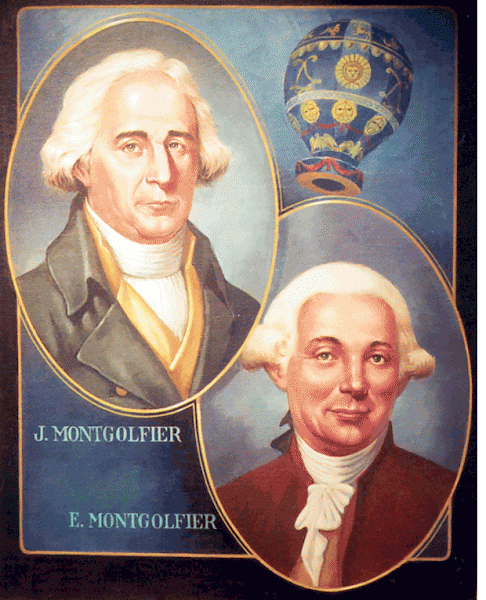
Before humans dared to fly, the Montgolfier brothers sent a sheep, a duck, and a rooster into the skies above Versailles. King Louis XVI and Marie Antoinette watched as the balloon rose 1,500 feet and traveled two miles. The animals landed safely—proving that creatures could survive at altitude.
November 21, 1783
Humanity's First Flight
Scientist Jean-François Pilâtre de Rozier and aristocrat François Laurent d’Arlandes became the first humans to experience sustained flight. Their 22-minute journey over Paris, ascending 500 feet above the rooftops, marked the moment everything changed. The age of flight had begun.
December 1, 1783
Hydrogen Balloons Emerge
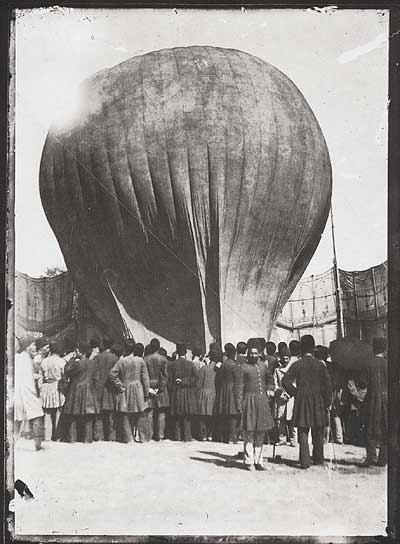
Just ten days later, Professor Jacques Charles and the Robert brothers launched a hydrogen-filled balloon from the Tuileries Garden. Vast crowds gathered as France’s leading noblemen led the balloon to its launch point—beginning the parallel development of gas ballooning.
1794
First Military Use
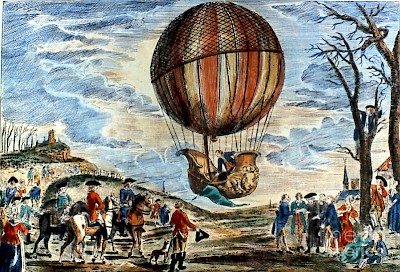
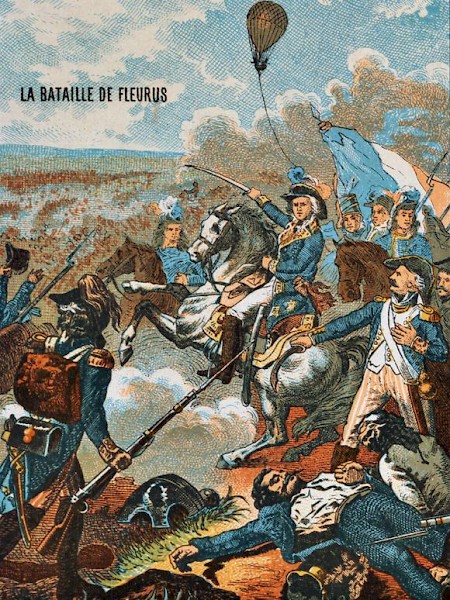
During the Battle of Fleurus, the French military deployed a tethered balloon called “Entreprenant” for aerial reconnaissance. For nine hours, an aeronaut observed Austrian troop movements and dropped written dispatches to commanders below—pioneering military aviation.
October 10, 1960
The Modern Era Begins
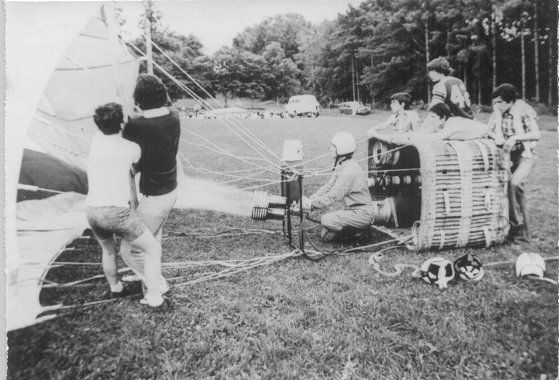
In Bruning, Nebraska, the first modern hot-air balloon took flight. Using polyurethane-coated nylon and a propane-powered burner—the same fundamental technology we use today—this 30,000 cubic foot balloon launched recreational ballooning into a new era.